
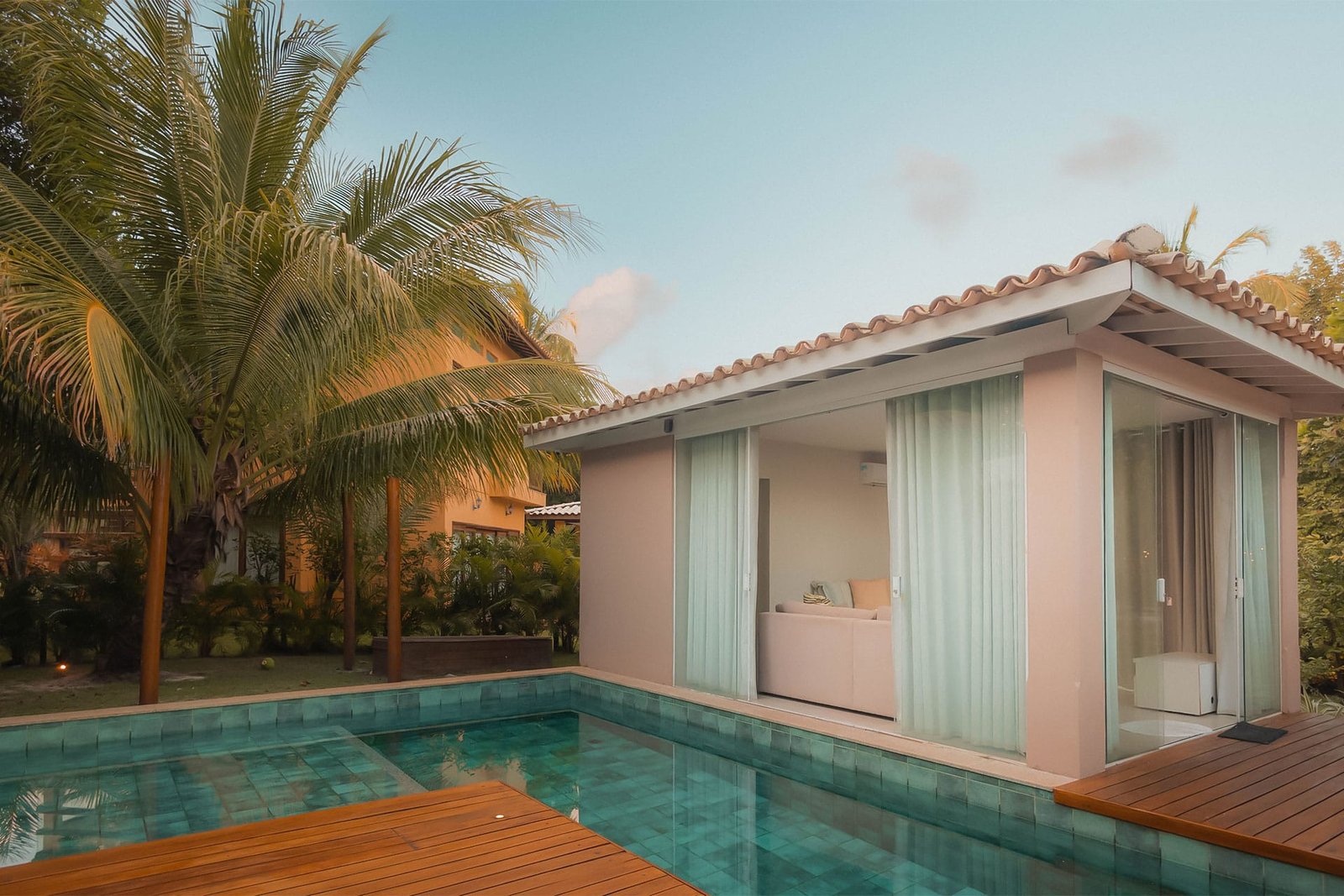
Why Great Airbnb Properties Still Struggle to Get Bookings
You can have a beautiful property.
A great location.
Excellent reviews.
A spotless space.
And still wonder:
Why aren’t we getting more bookings?
When reservations slow down, one of the first reactions is often to look at price.
Maybe we’re too expensive.
Maybe we need a discount.
Maybe we should run a promotion.
Sometimes price is the problem.
But very often, it isn’t.
A vacation rental can be an excellent property and still underperform because guests aren’t evaluating the property itself. They’re evaluating how that property is presented, positioned, priced, and experienced compared with everything else available to them.
That’s an important distinction.
A Great Property Isn’t Automatically a Great Listing
As hosts, we know our properties intimately.
We know the beautiful morning light.
We know which balcony has the best view.
We know how peaceful it becomes after sunset.
We know the little details guests appreciate once they’re there.
But a potential guest doesn’t know any of that.
They see a thumbnail.
A price.
A title.
A rating.
And a handful of photographs.
Within seconds, they’re deciding whether to keep scrolling or learn more.
That’s why a great property can lose to an average property with stronger presentation.
The property hasn’t failed.
The communication has.
1. The Guest Doesn’t Immediately Understand Who the Property Is For
One of the first things I look at when reviewing a vacation rental is surprisingly simple:
Who is this property for?
A romantic mountain escape for two requires very different positioning from a family vacation home.
A secluded nature retreat shouldn’t communicate the same experience as a property designed for groups celebrating a weekend together.
Yet many listings try to appeal to everyone.
Couples.
Families.
Groups.
Business travelers.
Remote workers.
Adventure travelers.
Long-term guests.
When everything is emphasized, nothing really stands out.
Strong positioning doesn’t necessarily exclude guests.
It simply makes the right guest think:
This looks perfect for us.
2. The Listing Isn’t Communicating the Property’s Real Value
Photography matters enormously, but good listing presentation goes beyond having attractive pictures.
Look at your first five photographs.
Do they immediately communicate why someone should choose your property?
Or are they simply five photographs of rooms?
There’s a difference.
The same applies to your title and description.
Compare:
Two-bedroom home with balcony and mountain views
with:
Wake up above the mountains in a peaceful private retreat
Both may describe the same property.
But one communicates features.
The other begins communicating an experience.
Guests need facts.
But facts alone rarely create desire.
3. Pricing Has Become the Default Solution
When bookings slow down, lowering the price is easy.
And sometimes it’s necessary.
Markets change. Seasons change. Demand changes.
But repeatedly discounting a property without understanding why bookings slowed can create another problem:
You begin competing primarily on price.
Before lowering your nightly rate, look at the complete picture.
Are guests finding the listing?
Are they clicking it?
Are they viewing it but not booking?
How does your total price compare with similar properties?
Are your minimum stays limiting opportunities?
Are your weekly or monthly discounts still appropriate?
Has your market entered a slower booking period?
Pricing should be part of a revenue strategy—not an automatic response to an empty calendar.
4. Guests Don’t Have Enough Confidence to Book
A reservation requires trust.
Guests are sending money to someone they’ve probably never met to stay in a property they’ve never seen.
That makes small trust signals incredibly important.
Reviews matter.
But so do:
Clear photography.
Accurate descriptions.
Professional host responses.
Consistent communication.
Realistic expectations.
Easy check-in instructions.
Thoughtful answers to questions.
Even the way a host responds to a negative review tells future guests something.
They’re not only evaluating the property.
They’re evaluating whether they feel comfortable booking with you.
5. The Property Exists Only as a Listing
For many hosts, Airbnb should remain an extremely important booking channel.
But as a property becomes established, it can make sense to build something around the listing as well.
That might include:
A recognizable property name.
Social media.
Google visibility.
Local partnerships.
Repeat-guest communication.
Referrals.
A simple website.
Eventually, perhaps, a direct-booking strategy.
None of these need to replace Airbnb.
They simply give the property an identity beyond a single listing page.
This becomes especially important if you’re spending your own money promoting the property.
If you’re paying for Facebook or Instagram advertising, for example, it’s worth asking whether every visitor should immediately be sent to a marketplace—or whether some of that traffic should also help build your own hospitality brand.
The Problem May Not Be Where You Think It Is
This is perhaps the most important point.
When a property isn’t performing, the answer isn’t automatically:
Lower the price.
Replace the photos.
Build a website.
Change the title.
Run Facebook ads.
Offer another discount.
Any one of those things could help.
But only if it addresses the actual problem.
The first step should be identifying where the system is breaking down.
Maybe people aren’t discovering the property.
Maybe they’re seeing it but not clicking.
Maybe they’re clicking but not feeling enough confidence to book.
Maybe the pricing doesn’t match perceived value.
Maybe the property itself is excellent, but its positioning doesn’t communicate what makes it special.
Those are very different problems.
And they require very different solutions.
Look at the Entire Guest Journey
A strong hospitality business isn’t built from one element.
It’s a system.
A guest discovers you.
Something earns their attention.
Your presentation creates interest.
Your reviews and communication build trust.
Your pricing establishes value.
The stay delivers on the promise.
Your hospitality creates the memory.
And ideally, that guest remembers you, recommends you, or returns.
When one part of that journey isn’t working, improving another part may not solve the problem.
That’s why sometimes the best thing a host can do isn’t immediately change something.
It’s to step back and diagnose the property first.
Final Thoughts
A beautiful vacation rental is an incredible foundation.
But the market doesn’t reward properties simply because they’re beautiful.
Guests have to understand the value.
They have to notice it.
Trust it.
Want it.
And ultimately feel comfortable paying for it.
So if you know you have a great property but the bookings aren’t where you think they should be, don’t immediately assume your nightly rate is too high.
Look at the complete picture.
Positioning. Presentation. Pricing. Trust. Guest experience. Visibility.
The opportunity may already be there.
You may simply need to identify what’s preventing guests from seeing it.
Not Sure What’s Holding Your Property Back?
Sometimes an outside perspective can uncover opportunities that are difficult to see when you work with your property every day.
Visible PR looks at the complete guest-facing experience—from positioning and listing presentation to pricing, communication, branding, and digital presence—to identify where improvements may have the greatest impact.
→ Request a Property Positioning Review
Continue Exploring Airbnb Positioning
If this article resonated with you, these resources build on the same ideas:
→ The Best Airbnb Listings Feel Like Brands—Even If Guests Never Notice
Learn why consistent guest experiences create stronger Airbnb brands.
→ The Property Didn’t Change. The Airbnb Listing Did.
See how positioning and guest experience helped transform a real Airbnb listing.
→ Guests Don’t Book Features. They Book Outcomes.
Discover why experiences often matter more than amenities when guests choose where to stay.